The Bristol Bus Boycott helped to change the law in England. It sparked the first of many laws that deal with equality but the immigration and nationality laws that spring up at the same time shows another side.
In 1914 the British Nationality and Status of Aliens Act declared that any person born within the British Empire was a British subject. Then in 1948 new immigrants arrived in Britain encouraged by the 1948 Nationality Act which gave commonwealth citizens unqualified rights to enter and remain in Britain. Alarmed by the new comers, the Conservative government later retracted this right when they passed the 1962 Immigration Act, which applied controls for the first time to Commonwealth citizens.
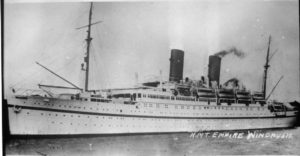
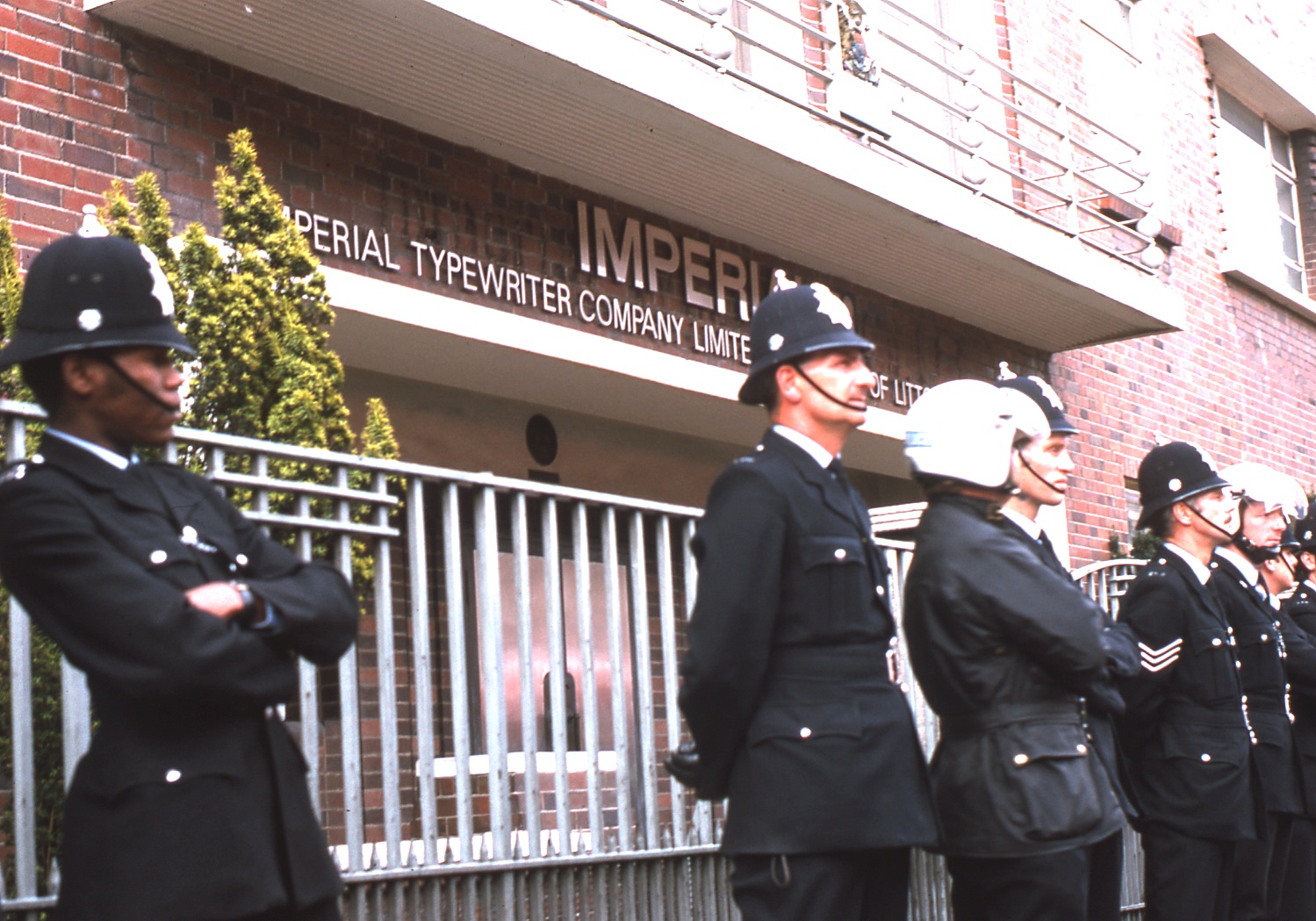
The new immigrants of the Windrush generation would demand equity and justice in the work place but both management and unions would oppose them as they did in Bristol in 1963, at Courtalds Red Scar Mill in Preston in May 1965 and in 1974 at the Imperial Typewriters strike in Leicester.
Without the union behind them working Black people had little chance of success. so why was the Bristol campaign successful? Something different happened in 1963 to make the Bristol Bus Boycott campaign a success.
Management and union collusion was the primary feature of a few strikes and campaigns involving Black people’s demands for equity and justice. Without union support working Black people could not hope to succeed.
This campaign however marshalled the support of prominent Labour MPs, Caribbean High Commissioners as well as the ground swell of popular opinion through the press.
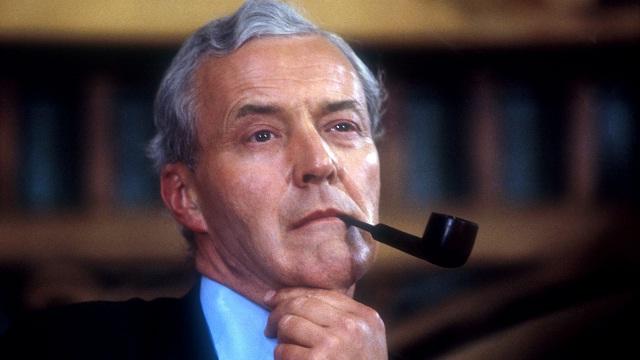
The use of a strategy associated with the high profile figures and association with the civil rights movement in America helped to attract the press to the story.
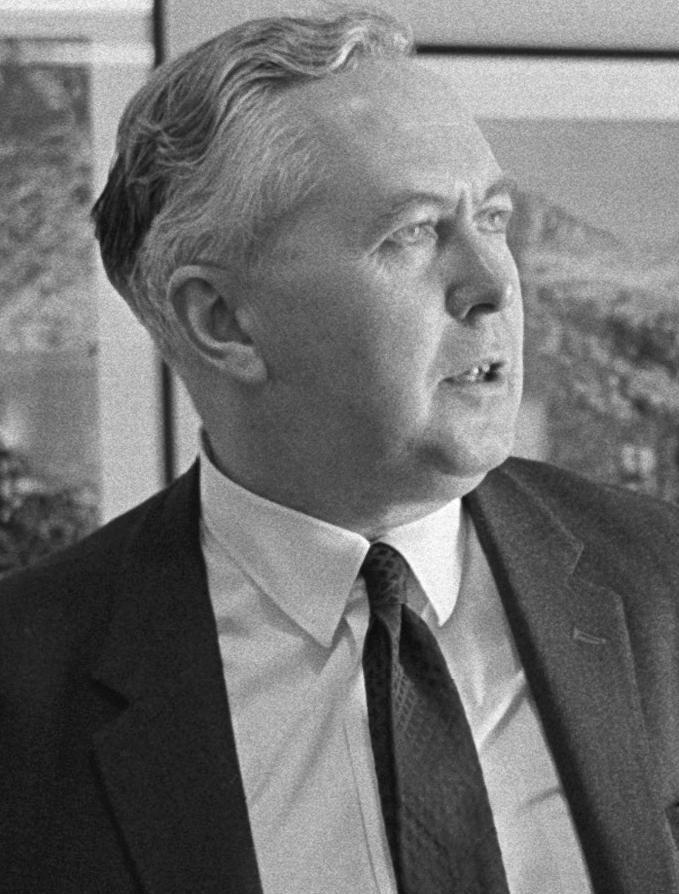

Previously there had been no civil rights campaign in Britain that focussed on discrimination against Black people and this is what attracted prominent Labour MPs, Tony Benn and Harold Wilson. The style of campaign too caught the public imagination and was seen as part of a wider international movement taking its cue from the American civil rights movement. The press picked up on this and were in the main supportive of the boycott. Other international influences were at play too. The involvement behind the scene of the Caribbean High Commissioners Lawrence Lindo and Sir Learie Constantine was crucial to its victory and it was their negotiations with the Transport Holding Company in London that ensured the campaign’s rapid success.

That short battle of only a few months with the Bristol Omnibus Company was to help bring about anti- discrimination laws in this country and play a part in the social history of Britain and the changing relationship of Britain with its new communities.
